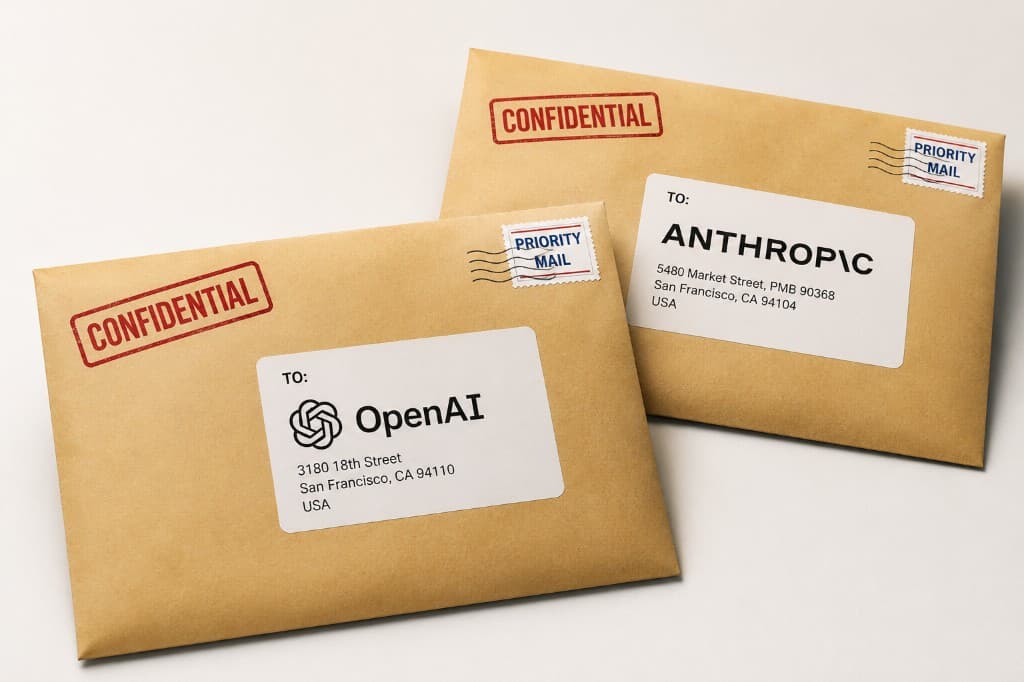
The Data Privacy Rules of Using ChatGPT and Claude at Work
Most construction teams are already using AI. The unanswered question is what project information belongs in ChatGPT and Claude—and what doesn't.

Three Birds
A parable about risk and growth.
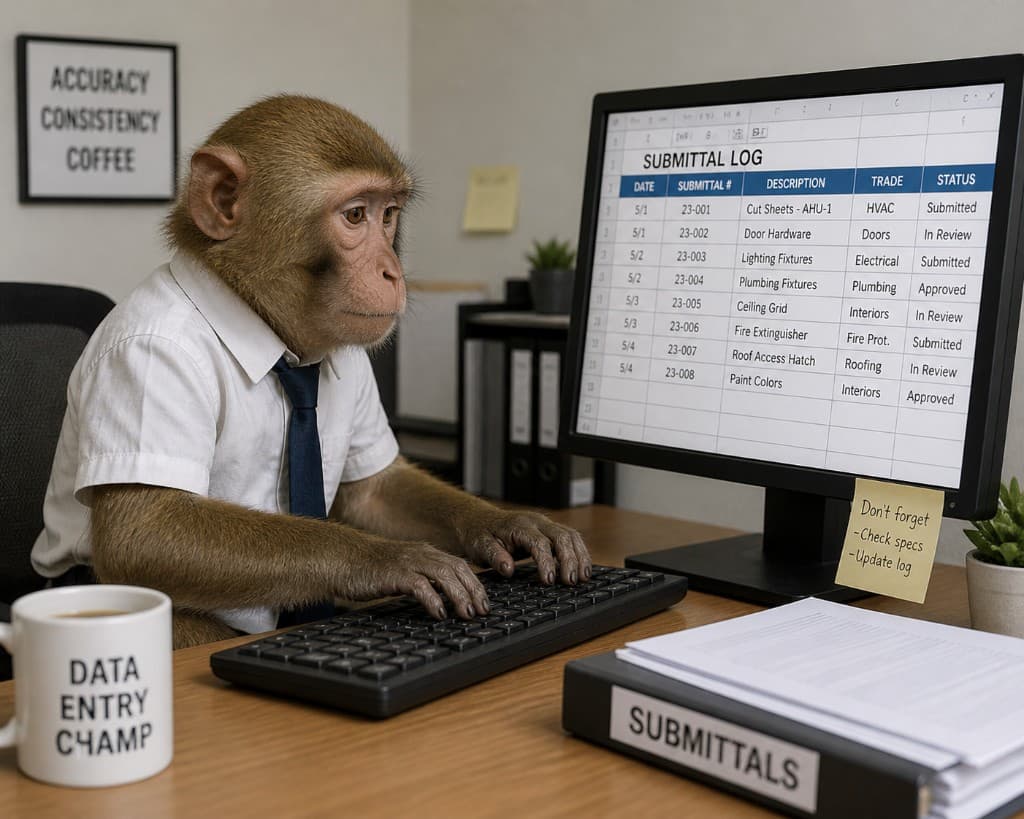
The Bid Data You’ve Been Creating (But Never Keeping)
Response times, clarification cycles, and GC engagement live in every pursuit—but most of it disappears. Here’s how passive capture surfaces the metrics BD teams rarely see, without slowing the workflow.
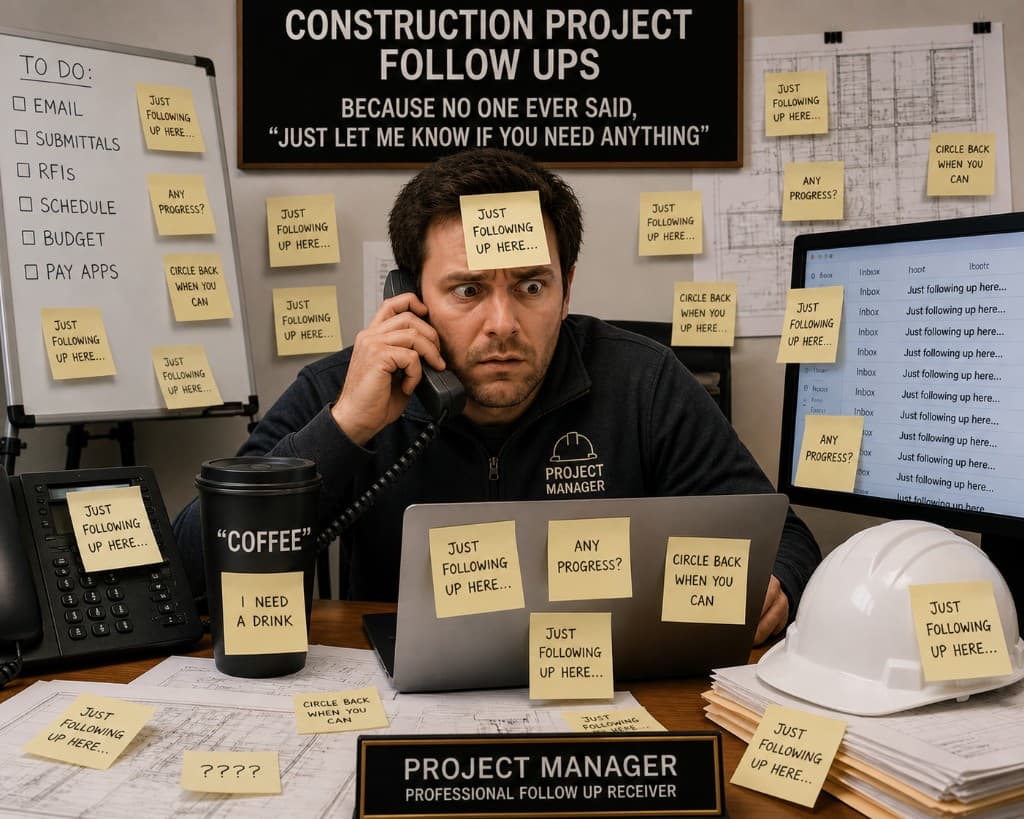
Follow-Up Is the Control System (Not Admin Work)
Most jobs drift when follow-up runs on memory—small gaps turn into scrambles. Here’s how event-triggered follow-up and AI-drafted drafts (with humans on the send button) tighten the loop without a software overhaul.
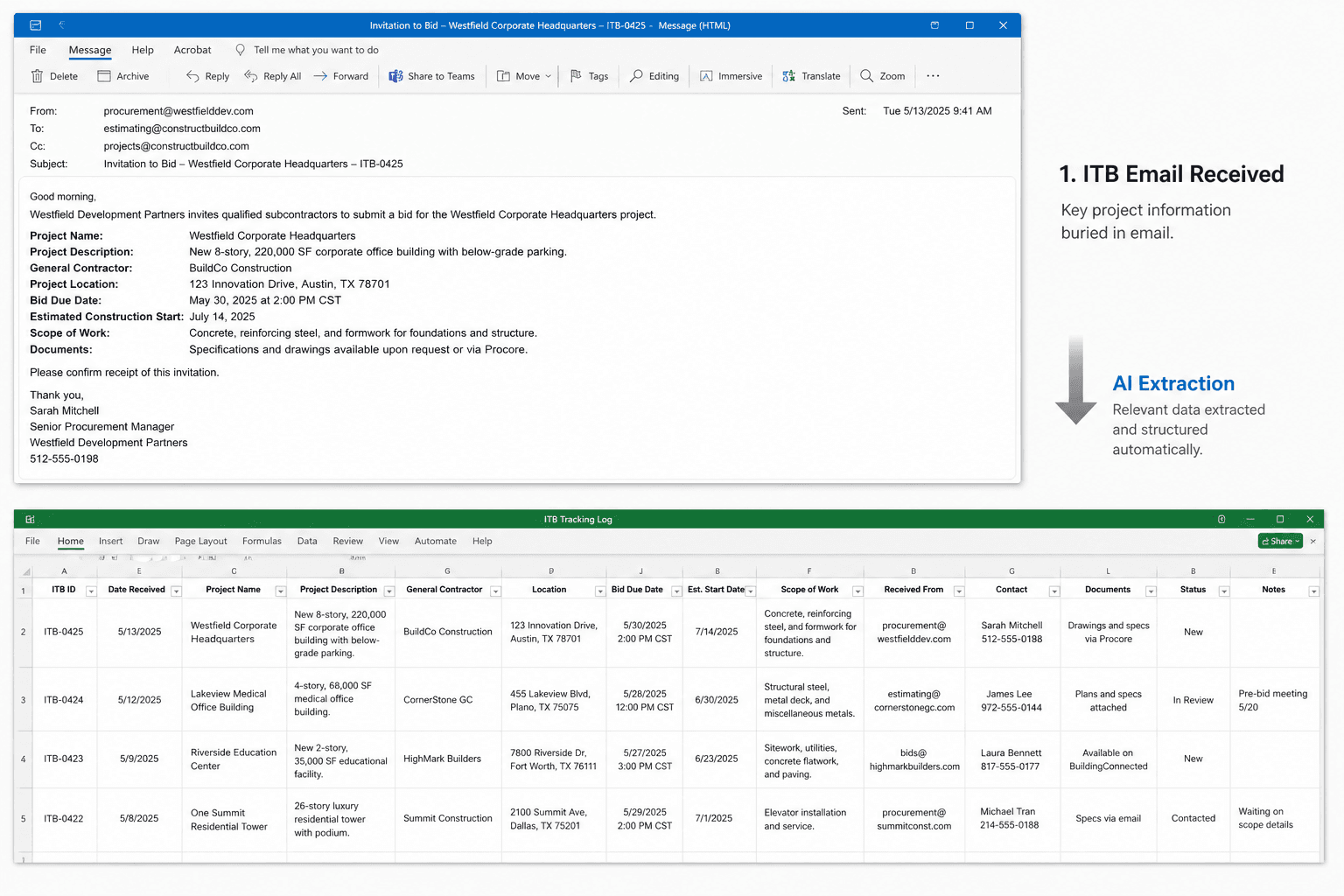
Using AI to Manage the Flood of ITBs Hitting Your Business Development Inbox: Choose the best opportunities for your company and set yourself up for success.
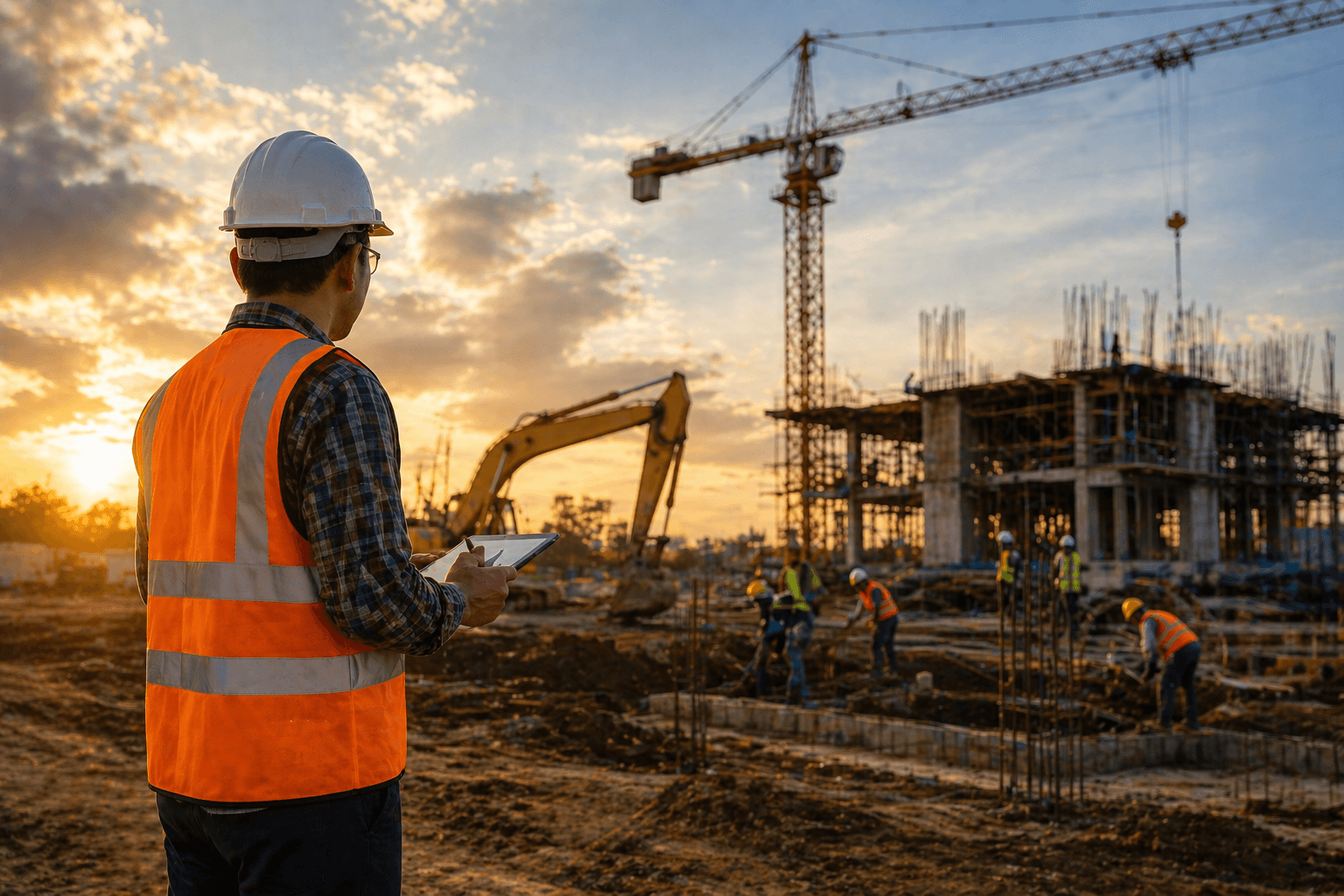
How Construction Companies Can Use AI Responsibly (And the Legal Questions That Matter)
Where project data goes, who's accountable, and how AI fits insurance and contracts. The legal and ethical questions that protect clients and projects.
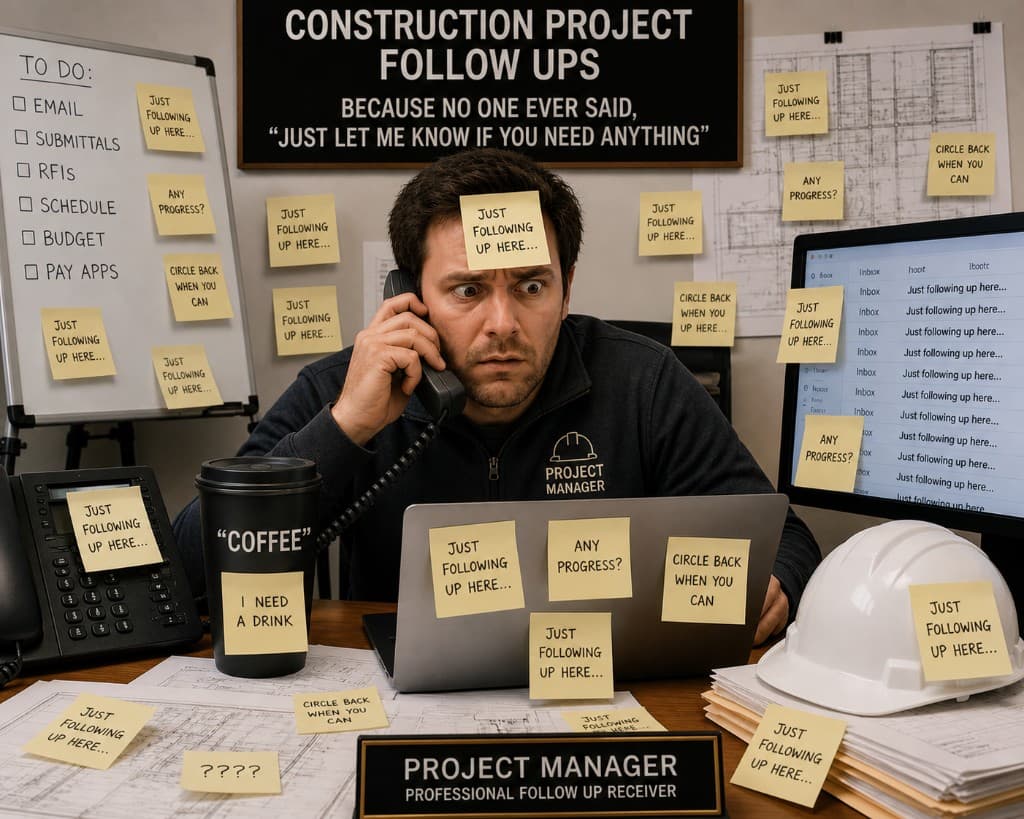
What You Shouldn't Fully Automate
Construction requires intelligence, people skills and decisions that carry significant risk. Dont delegate these skills.
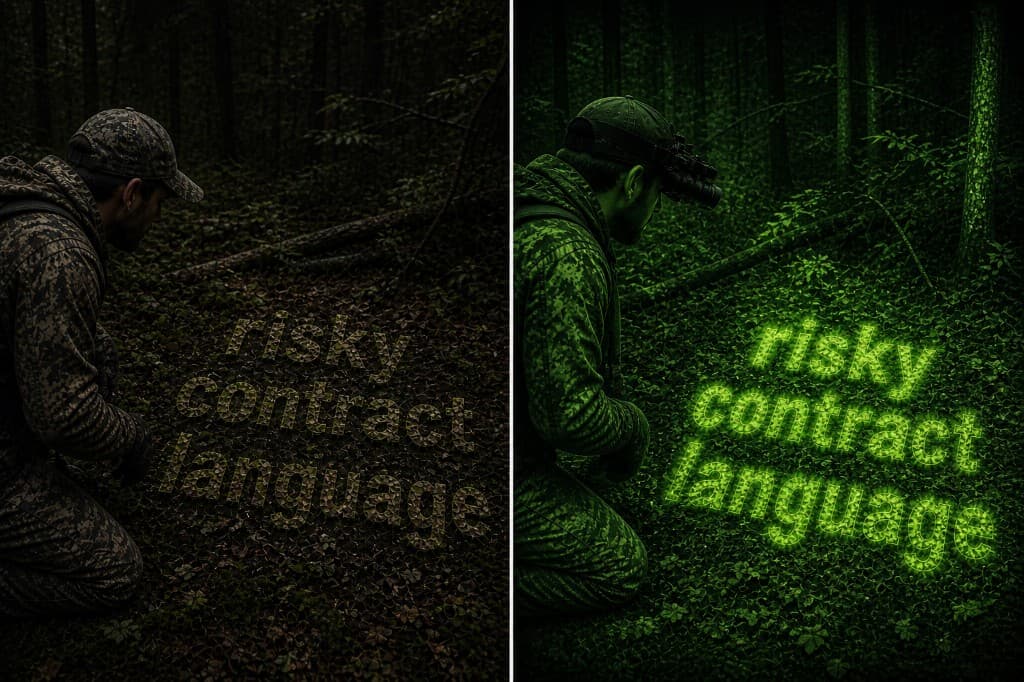
AI Is Changing How Construction Teams Spot Legal risk
Use AI as your first-pass RFP risk scanner. Load it Keep humans in the driver's seat for judgment, strategy, and anything that binds the company.

Critical vs. Non-Critical Communication: The logic behind what communication gets automated and what a human must own
Automate the routine. Protect the binding. A clear framework for what to hand off to AI and what still demands human oversight.
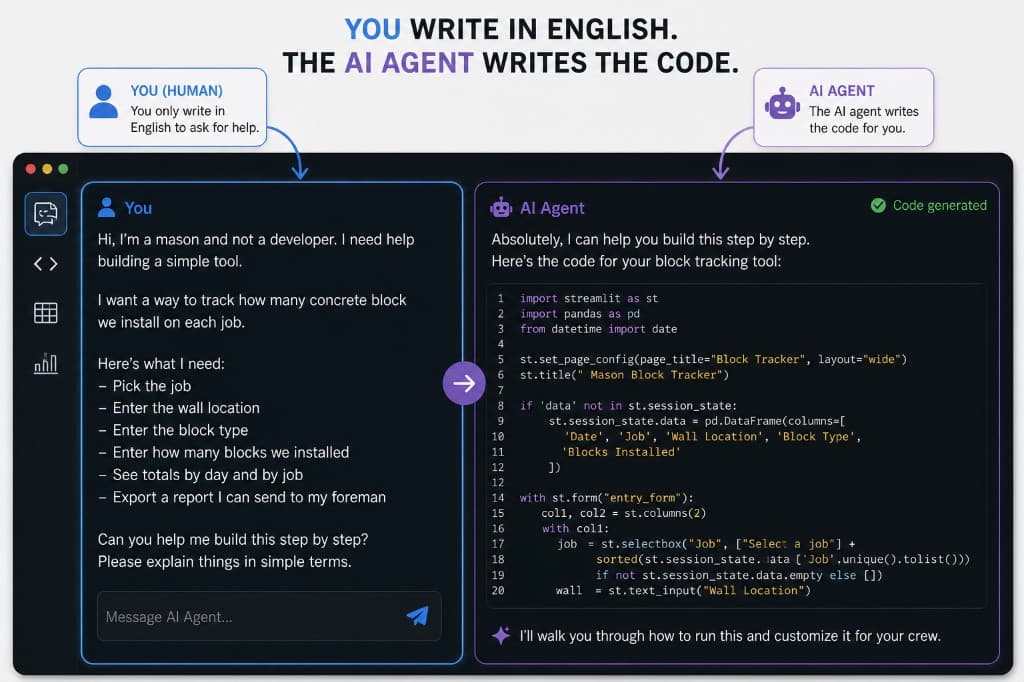
You Don't Need to Code to Build Construction Software Anymore
AI removed the hardest part of building software: context matters more than coding skill. How operator-builders map workflows, ship small, and iterate faster than any vendor.
Deterministic vs. Undeterministic Software: A concept you must understand to build anything with AI
Two terms that define how you use AI safely: deterministic rules you control, and undeterministic judgment from AI. Master both—and win.
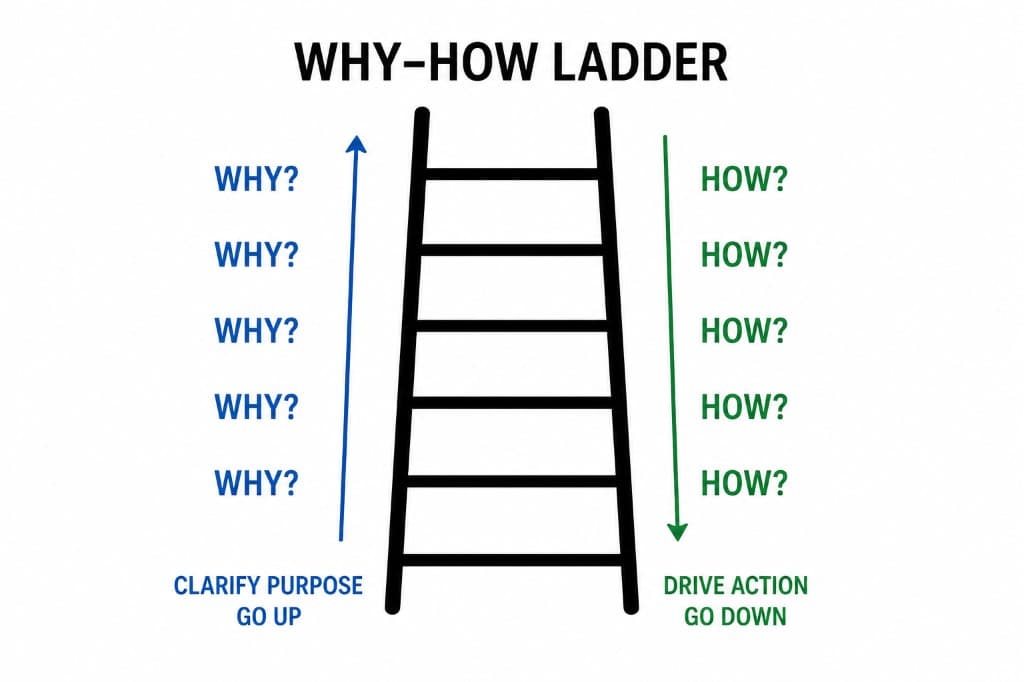
Why the Why–How Ladder Is the Most Important Tool for Integrating AI Into Your Workplace Right Now
The Why–How Ladder forces clarity when every workflow feels AI-eligible. Use it to design AI-powered workflows that actually solve something.
How to Write a Company AI Policy That Won't Be Obsolete in 12 Months
Regulate behavior, not tools. Principle-driven, role-aware, model-agnostic—so your policy still works in a year, or five.
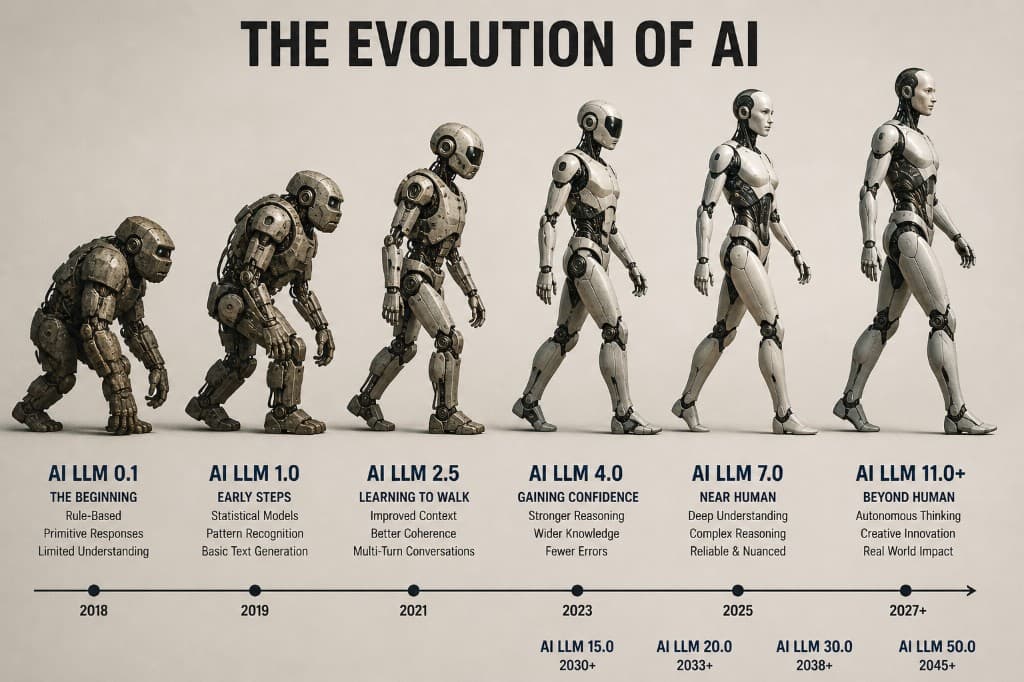
AI Isn't Something You Roll Out—It's Something You Grow Into With Your People
Waiting for perfect AI misses the point. Encourage usage, remove menial work, give ownership—and build trust while your team learns.
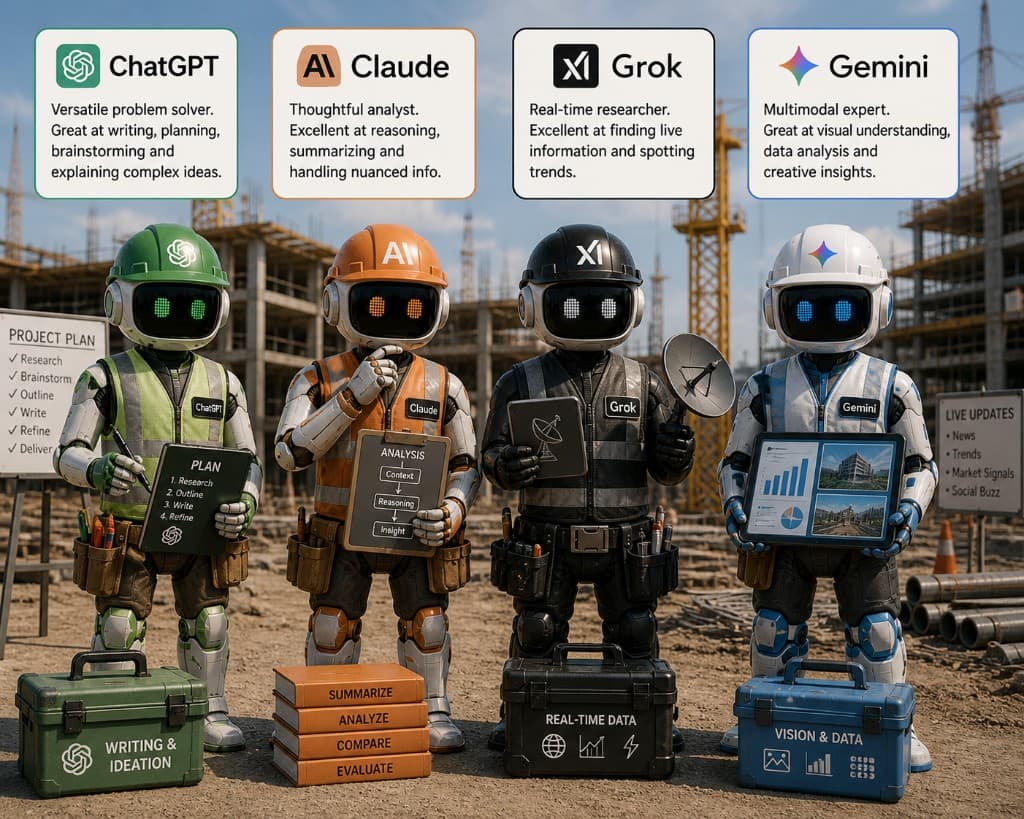
Choosing the Right AI Model for Your Construction Business
A practical guide to picking AI models by job, risk, and data—from ChatGPT and Copilot to open-source. Function, reliability, safety.
Using AI to Evaluate Your Safety Plan for Standards Compliance
AI can cross-check your safety plan against OSHA, ANSI Z10, and project-specific requirements. Here's how it works—and where human judgment still owns the final call.
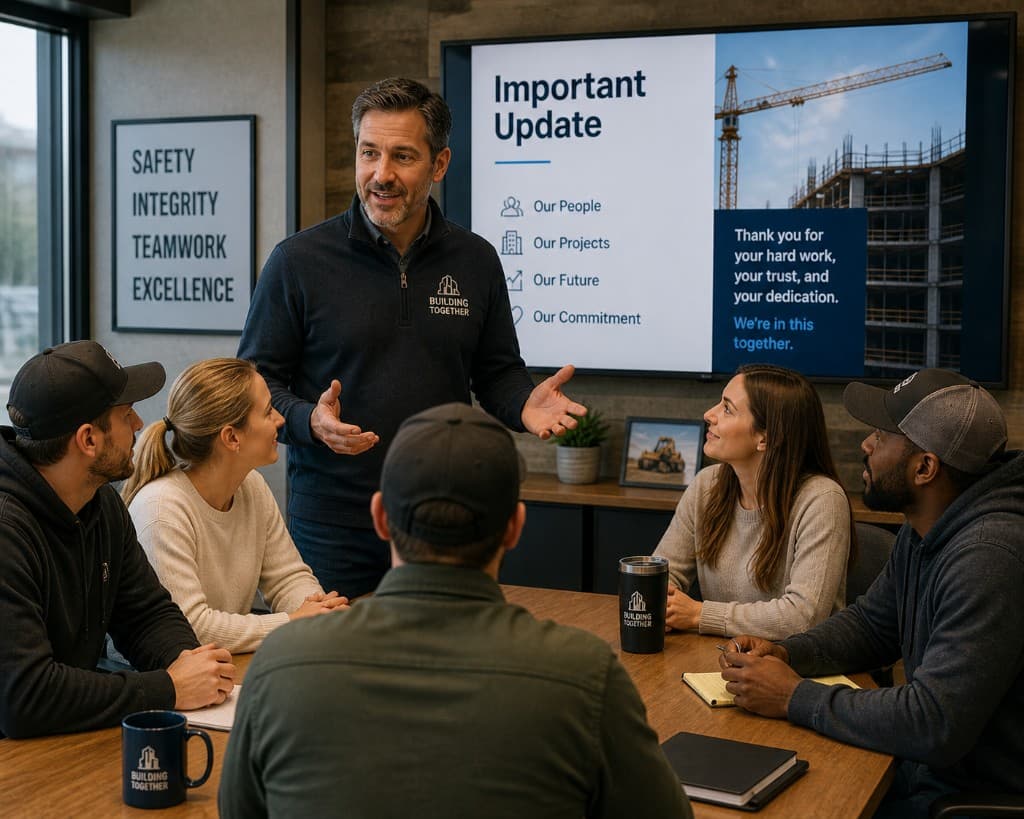
Winning With Automation: How to Talk to Your Team About the Future of Work
A framework for construction leaders: direct, confident messaging that turns AI and automation into clarity—not fear—for your team.
35 Microtasks You Can Automate Today in a Construction Company
Small, repetitive tasks that drain hours every week—and how to automate them. A checklist for preconstruction, field ops, and project management.