
The Data Privacy Rules of Using ChatGPT and Claude at Work
Most construction teams are already using AI. The unanswered question is what project information belongs in ChatGPT and Claude—and what doesn't.
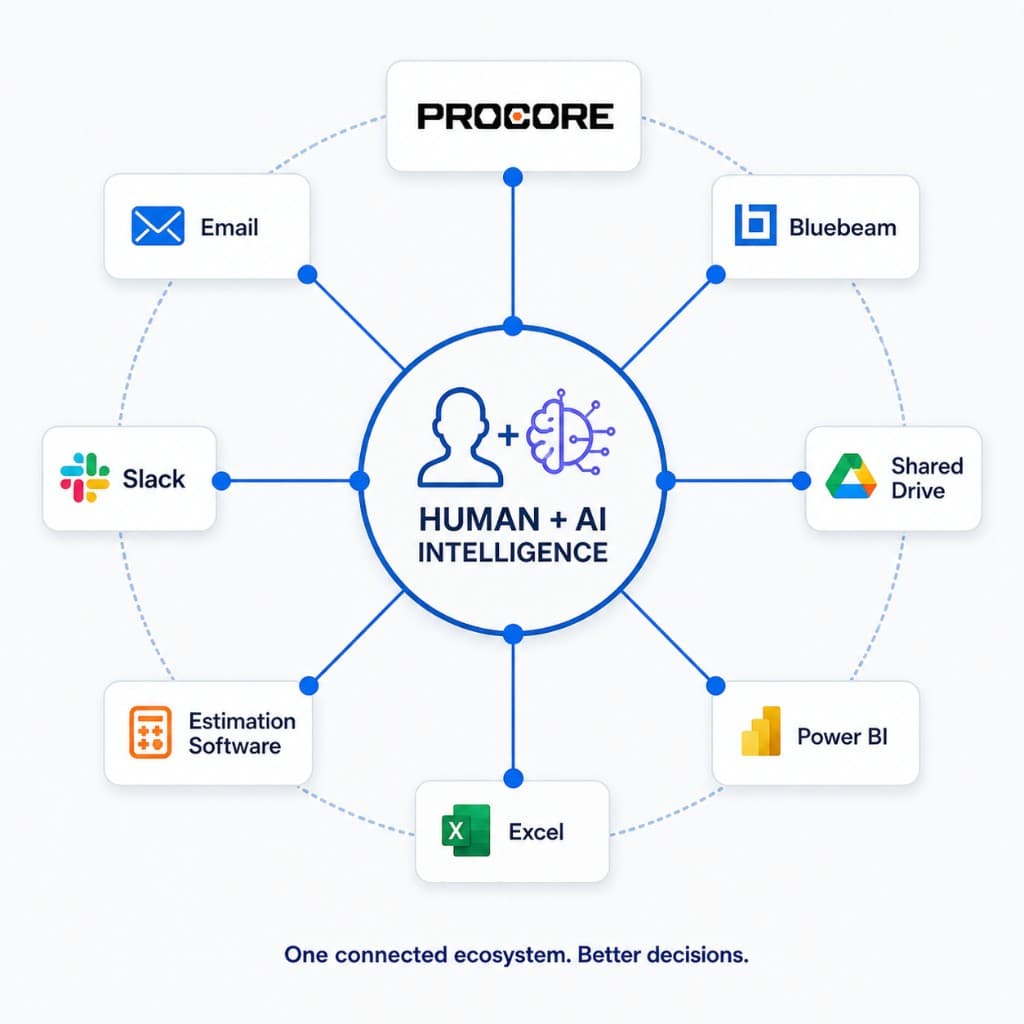
Did You Know? Automation Connectors for Procore and Common Construction PM Software Are Available Today
Procore Connect, ACC Connect, Power Automate, and data platforms already support real actions—RFIs, submittals, change orders, drawings, and cross-system sync—not just file exports. Here is what is on the shelf today and how to pilot safely.

The Bid Data You’ve Been Creating (But Never Keeping)
Response times, clarification cycles, and GC engagement live in every pursuit—but most of it disappears. Here’s how passive capture surfaces the metrics BD teams rarely see, without slowing the workflow.
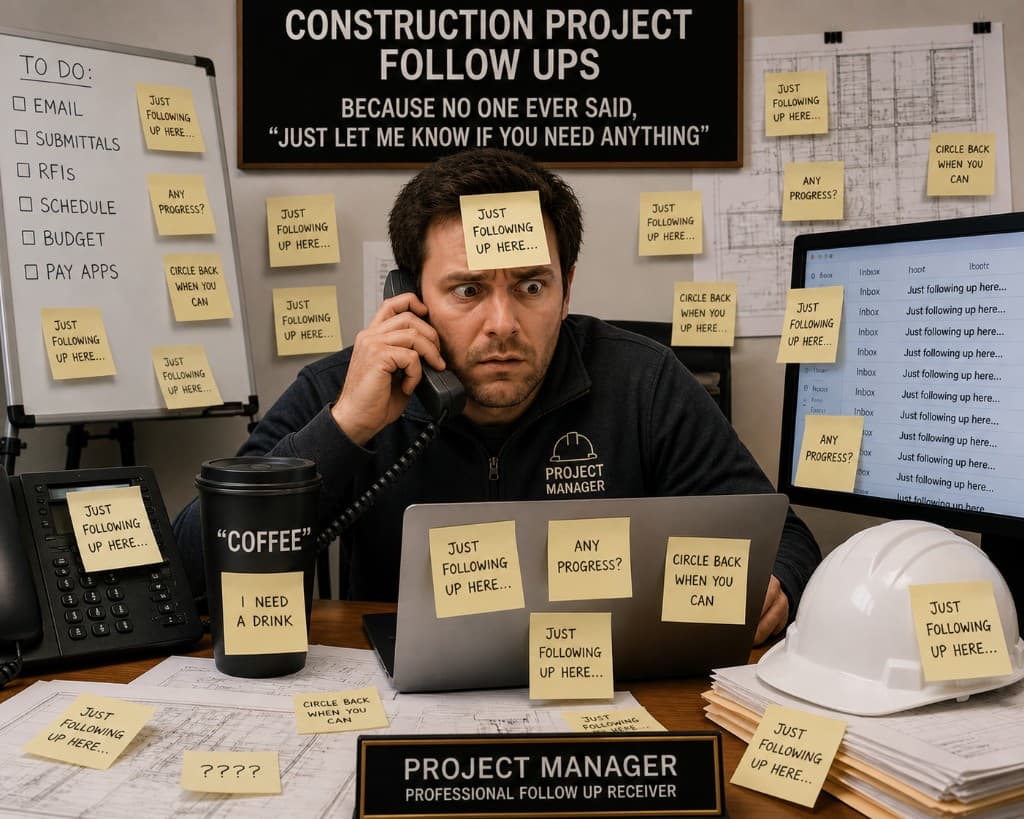
Follow-Up Is the Control System (Not Admin Work)
Most jobs drift when follow-up runs on memory—small gaps turn into scrambles. Here’s how event-triggered follow-up and AI-drafted drafts (with humans on the send button) tighten the loop without a software overhaul.
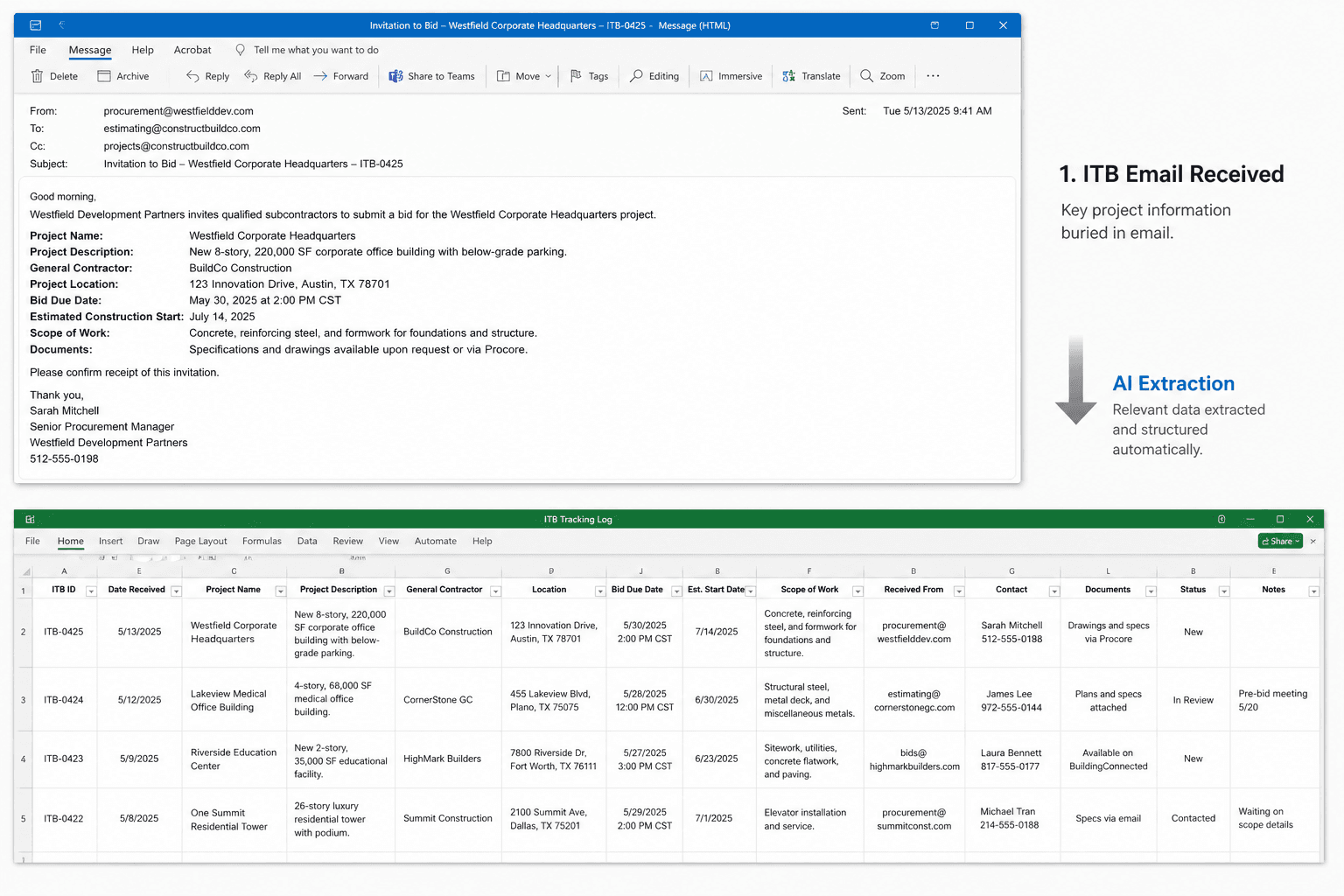
Using AI to Manage the Flood of ITBs Hitting Your Business Development Inbox: Choose the best opportunities for your company and set yourself up for success.
How Construction Companies Can Use AI Responsibly (And the Legal Questions That Matter)
Where project data goes, who's accountable, and how AI fits insurance and contracts. The legal and ethical questions that protect clients and projects.
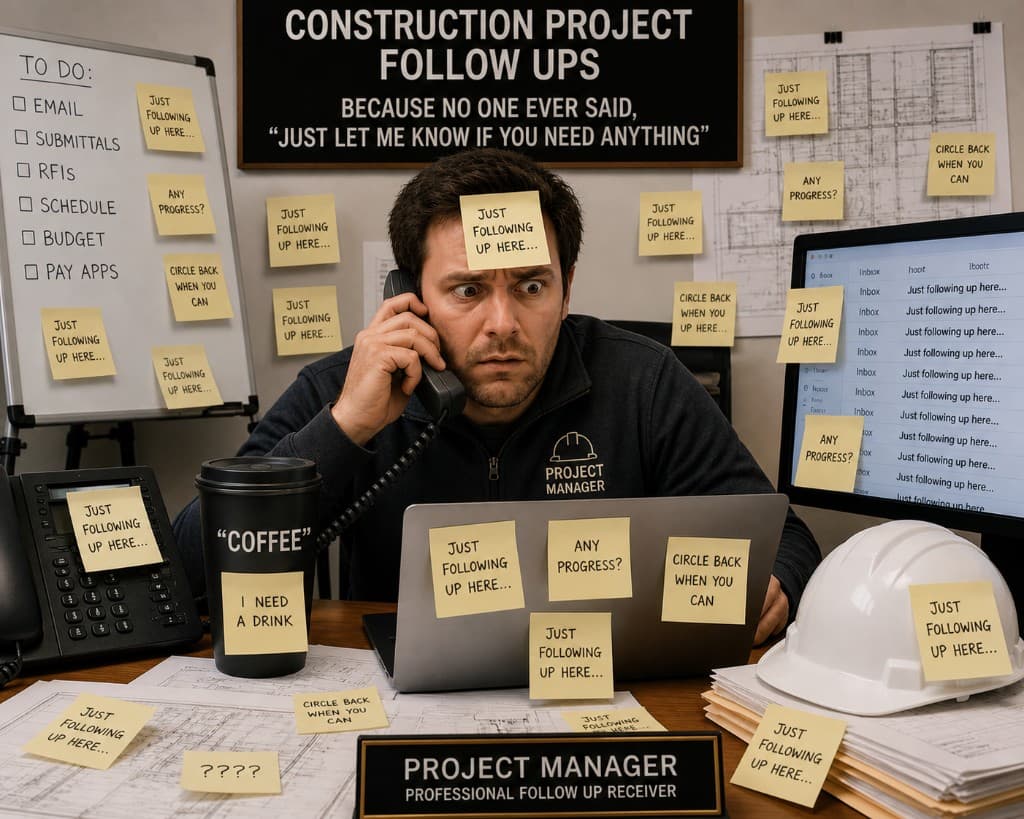
What You Shouldn't Fully Automate
Construction requires intelligence, people skills and decisions that carry significant risk. Dont delegate these skills.
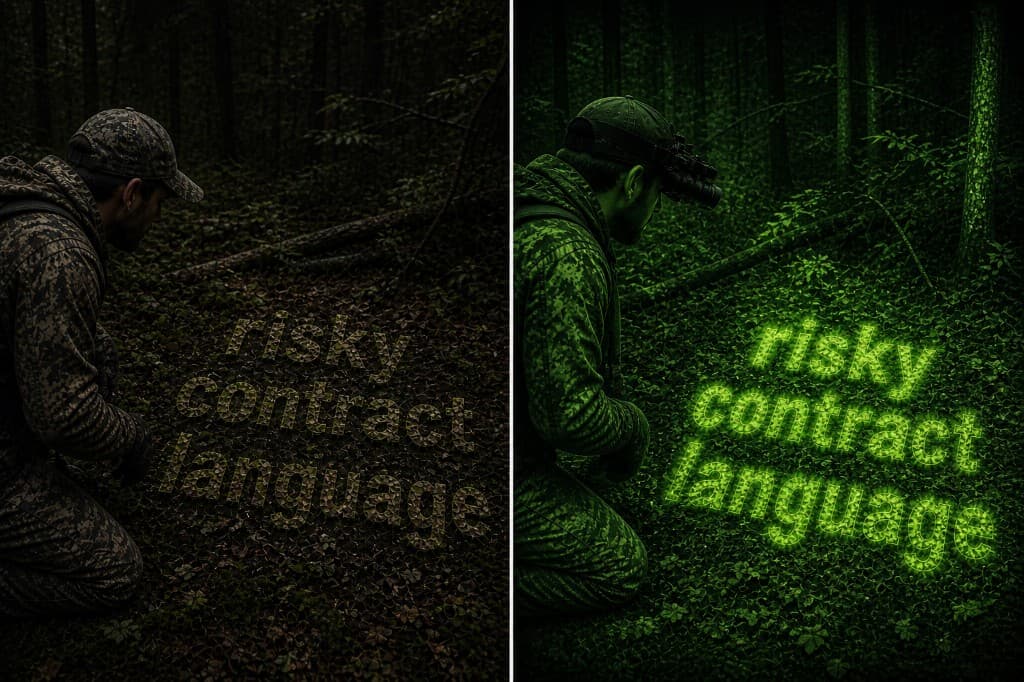
AI Is Changing How Construction Teams Spot Legal risk
Use AI as your first-pass RFP risk scanner. Load it Keep humans in the driver's seat for judgment, strategy, and anything that binds the company.

Critical vs. Non-Critical Communication: The logic behind what communication gets automated and what a human must own
Automate the routine. Protect the binding. A clear framework for what to hand off to AI and what still demands human oversight.
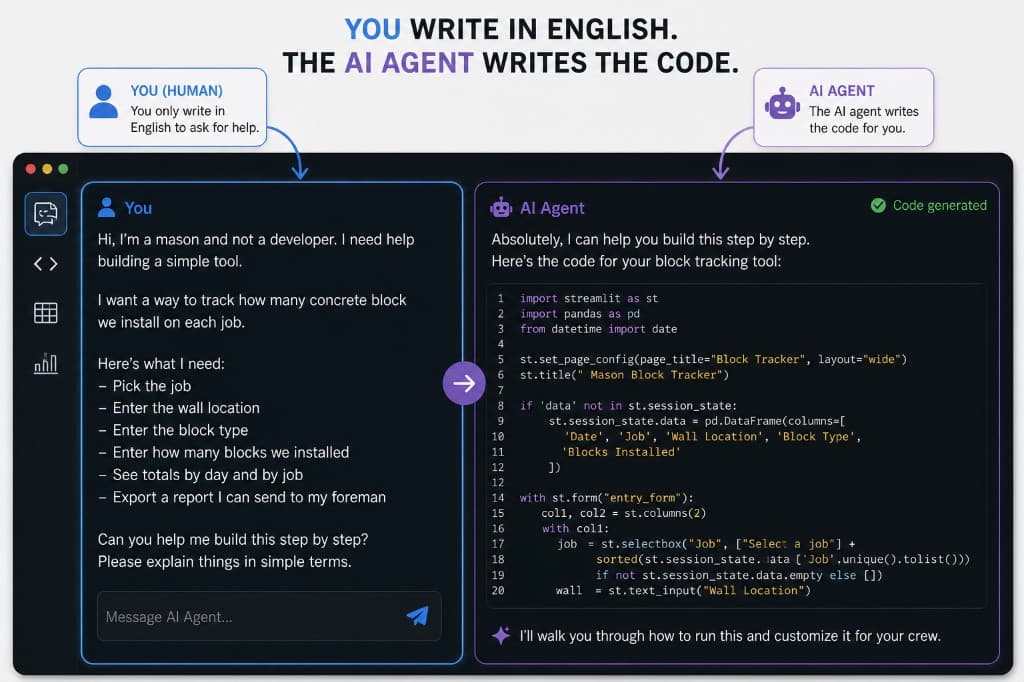
You Don't Need to Code to Build Construction Software Anymore
AI removed the hardest part of building software: context matters more than coding skill. How operator-builders map workflows, ship small, and iterate faster than any vendor.
Deterministic vs. Undeterministic Software: A concept you must understand to build anything with AI
Two terms that define how you use AI safely: deterministic rules you control, and undeterministic judgment from AI. Master both—and win.
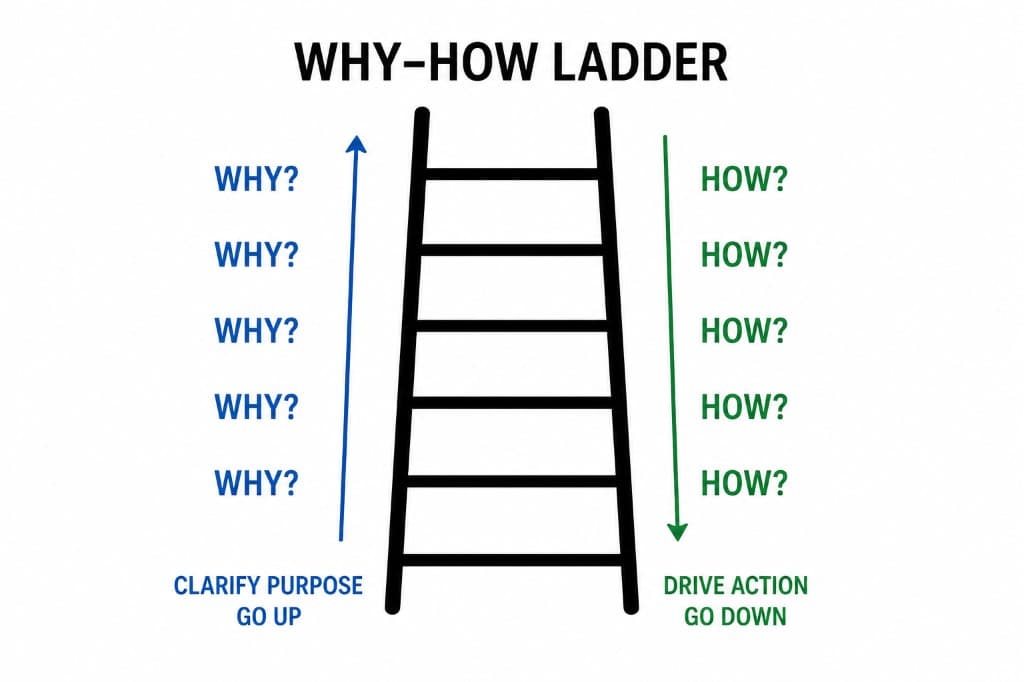
Why the Why–How Ladder Is the Most Important Tool for Integrating AI Into Your Workplace Right Now
The Why–How Ladder forces clarity when every workflow feels AI-eligible. Use it to design AI-powered workflows that actually solve something.

Using AI as a Second Set of Eyes on Submittals
Automation routes and tracks submittals; AI can add a structured first pass that lines spec requirements up with the package—prefilling the compliance matrix so reviewers start from evidence, not a blank page.
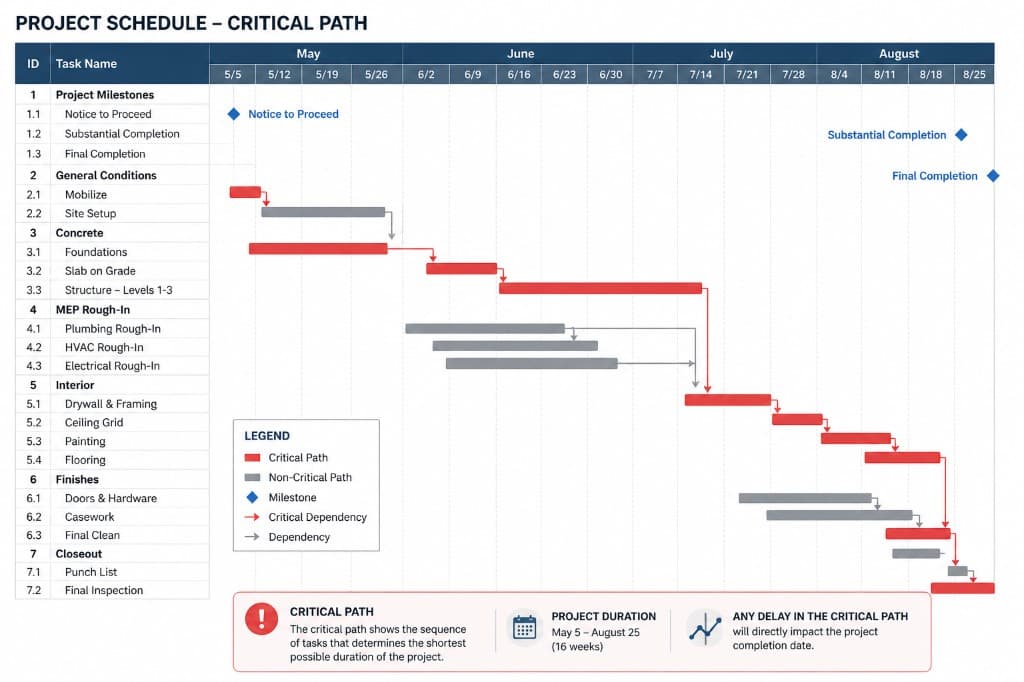
Schedule Slips Aren't Single Events
Planning failures and coordination gaps drive most overruns—plus how AI can structure schedule reviews, RFI–schedule bridges, rework patterns, and prefab decisions without replacing management on the ground.
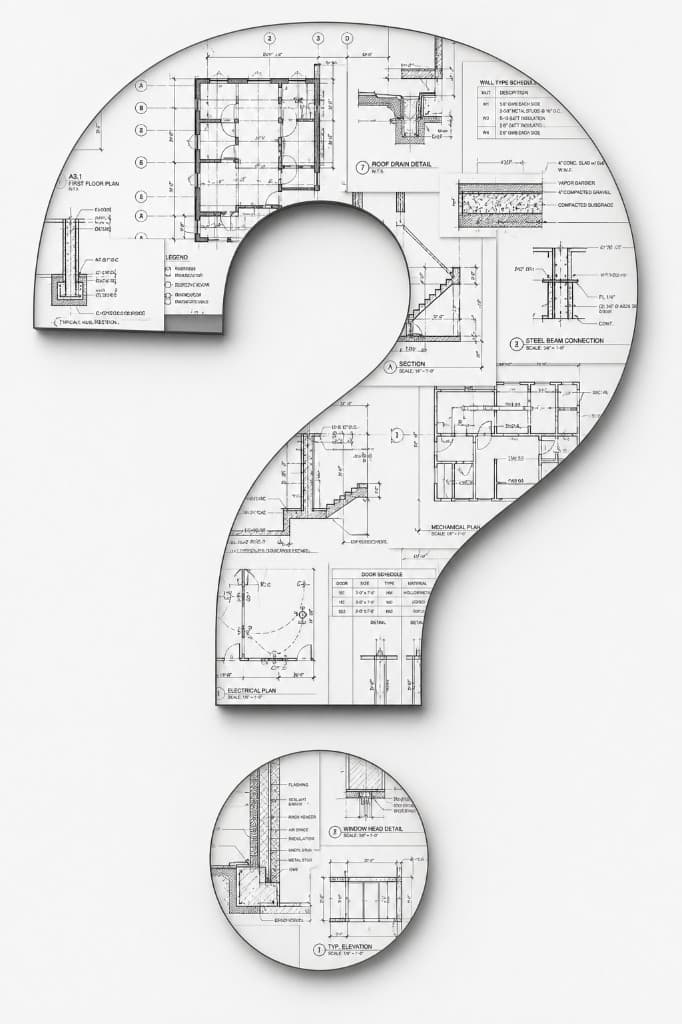
The RFI Problem Isn't the Answer—It's Everything Before It
Seventeen person-hours per RFI cycle, six-figure process cost, and why most RFIs never start as RFIs. Process fixes, delivery-method reality, and capturing questions from meeting transcripts before they disappear.

How Construction BD Teams Can Build a Zero-Subscription CRM With Power Automate, Outlook, and SharePoint
Track opportunities, contacts, and follow-ups with the tools you already have—no new SaaS. Power Automate, Outlook, SharePoint, Excel.
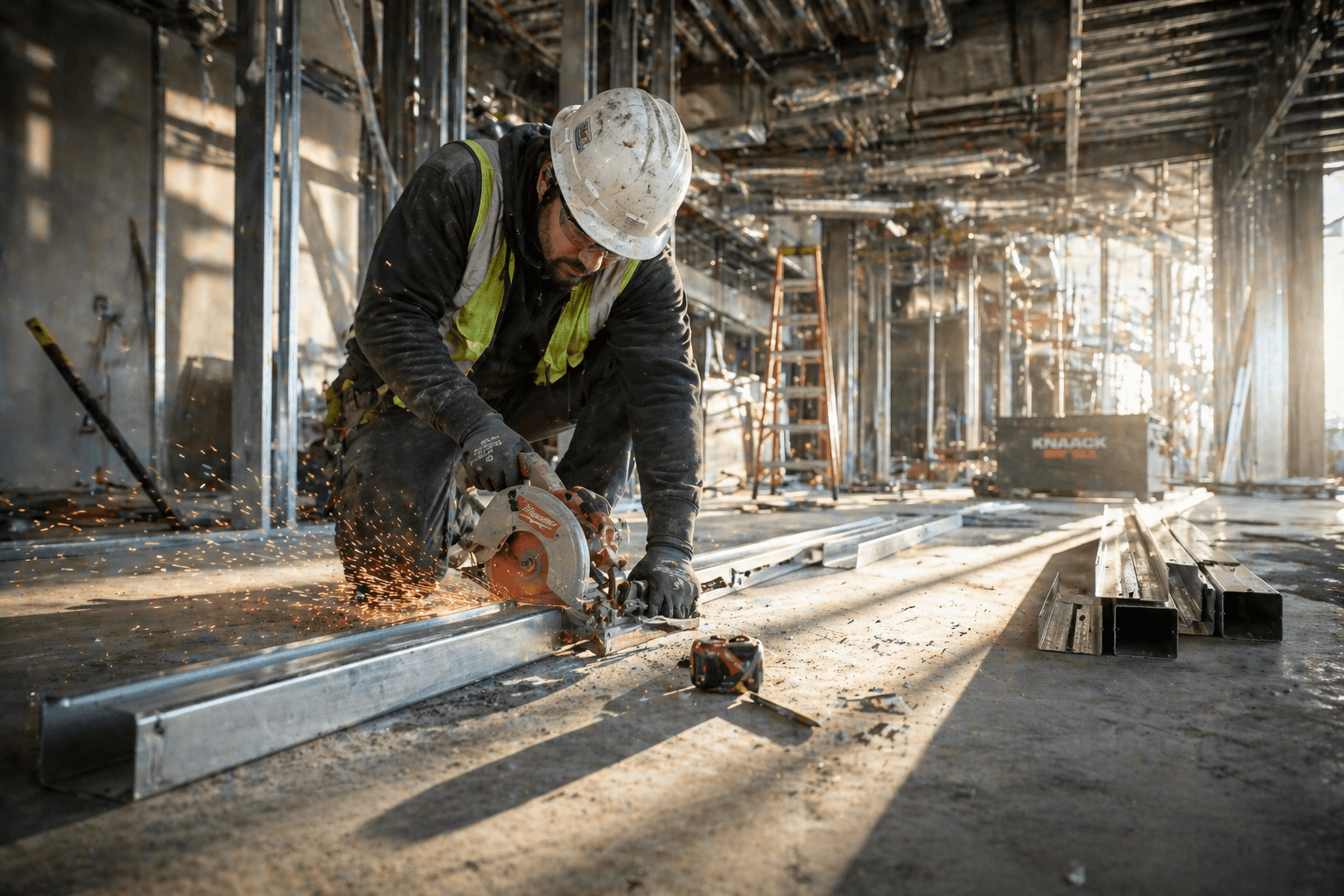
Cost Estimate Accuracy: What Actually Drives Predictability
Why cost drift survives good intentions—unverifiable inputs, weak feedback loops, and the gap between data that exists and data you can actually use.
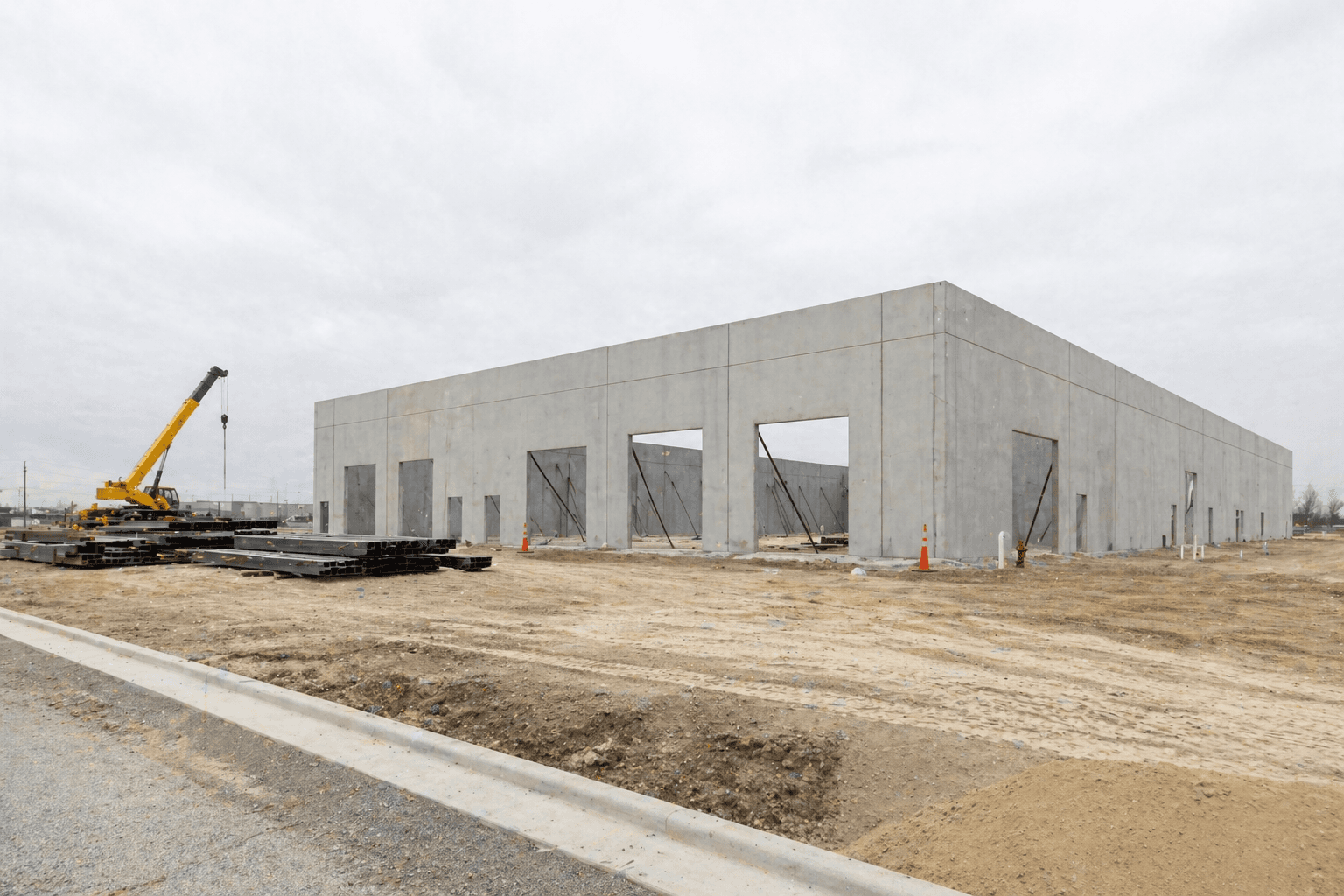
Daily Reports: From Field Notes to Office Intelligence Without the Friction
Daily reports capture conditions, progress, and issues—but building them from scratch eats time. Structured inputs and automation turn notes into usable reports.
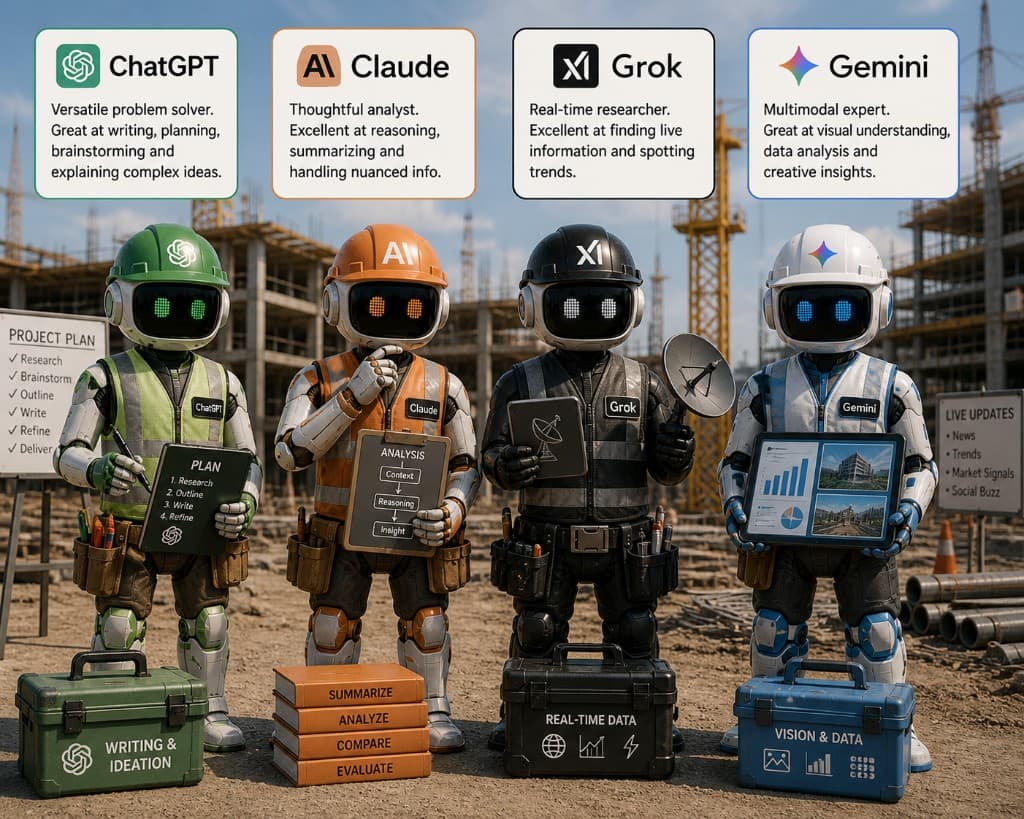
Choosing the Right AI Model for Your Construction Business
A practical guide to picking AI models by job, risk, and data—from ChatGPT and Copilot to open-source. Function, reliability, safety.
Using AI to Evaluate Your Safety Plan for Standards Compliance
AI can cross-check your safety plan against OSHA, ANSI Z10, and project-specific requirements. Here's how it works—and where human judgment still owns the final call.
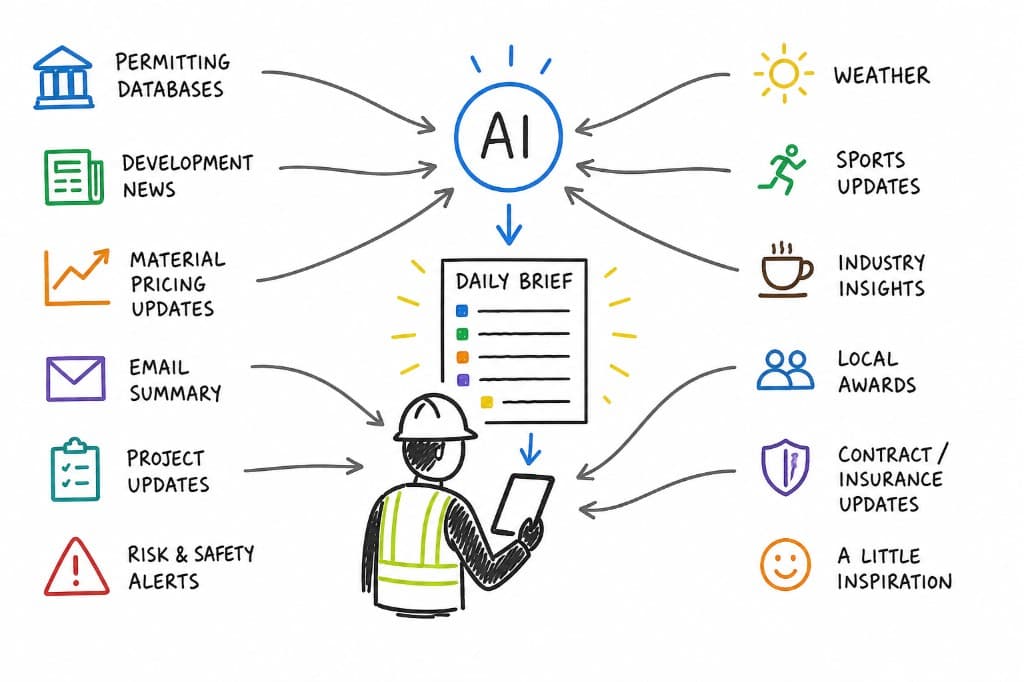
What an AI-Generated Daily Brief Can Bring to Your Day
Social media can steal hours of your time looking for the nugget of valuable information that justifies its use. Learn how to get customized information sent to you daily. Replace noise with signal, randomness with rhythm.
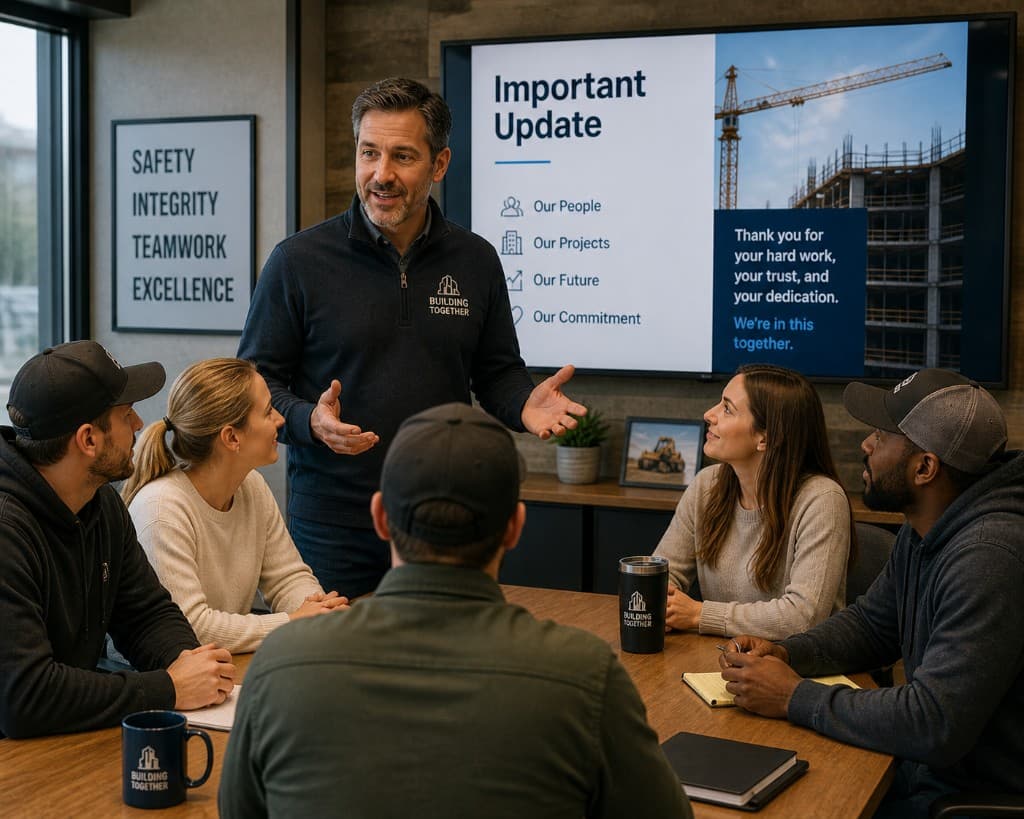
Winning With Automation: How to Talk to Your Team About the Future of Work
A framework for construction leaders: direct, confident messaging that turns AI and automation into clarity—not fear—for your team.
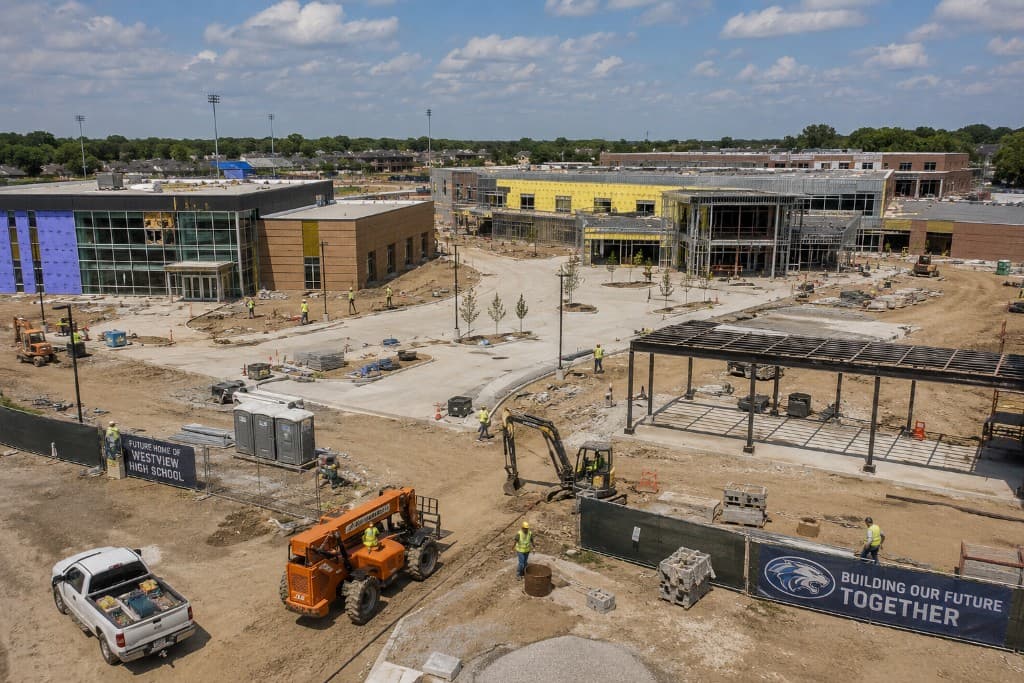
35 Microtasks You Can Automate Today in a Construction Company
Small, repetitive tasks that drain hours every week—and how to automate them. A checklist for preconstruction, field ops, and project management.